

Why Enterprises Are Moving from the Cloud to Local Employee Monitoring
In recent years, cloud-based employee monitoring tools have become popular due to their ease of deployment and low entry barrier. However, a growing number of enterprises—especially those operating in regulated industries—are reassessing this model and shifting toward locally deployed (on-premise) monitoring solutions. This transition is driven less by cost and more by concerns around security, compliance, and operational control.
Risks Associated with Cloud-Based Monitoring Tools
Cloud-based monitoring platforms rely on external infrastructure to collect, process, and store sensitive employee data. While this model offers scalability, it also introduces several risks that enterprises must carefully consider.
Data sovereignty and jurisdiction issues
Employee activity data stored in the cloud may reside in data centers located in different countries. This can create legal and compliance challenges, particularly for organizations subject to regulations such as GDPR, ISO 27001, or sector-specific compliance frameworks. Enterprises often have limited control over where exactly the data is processed and stored.
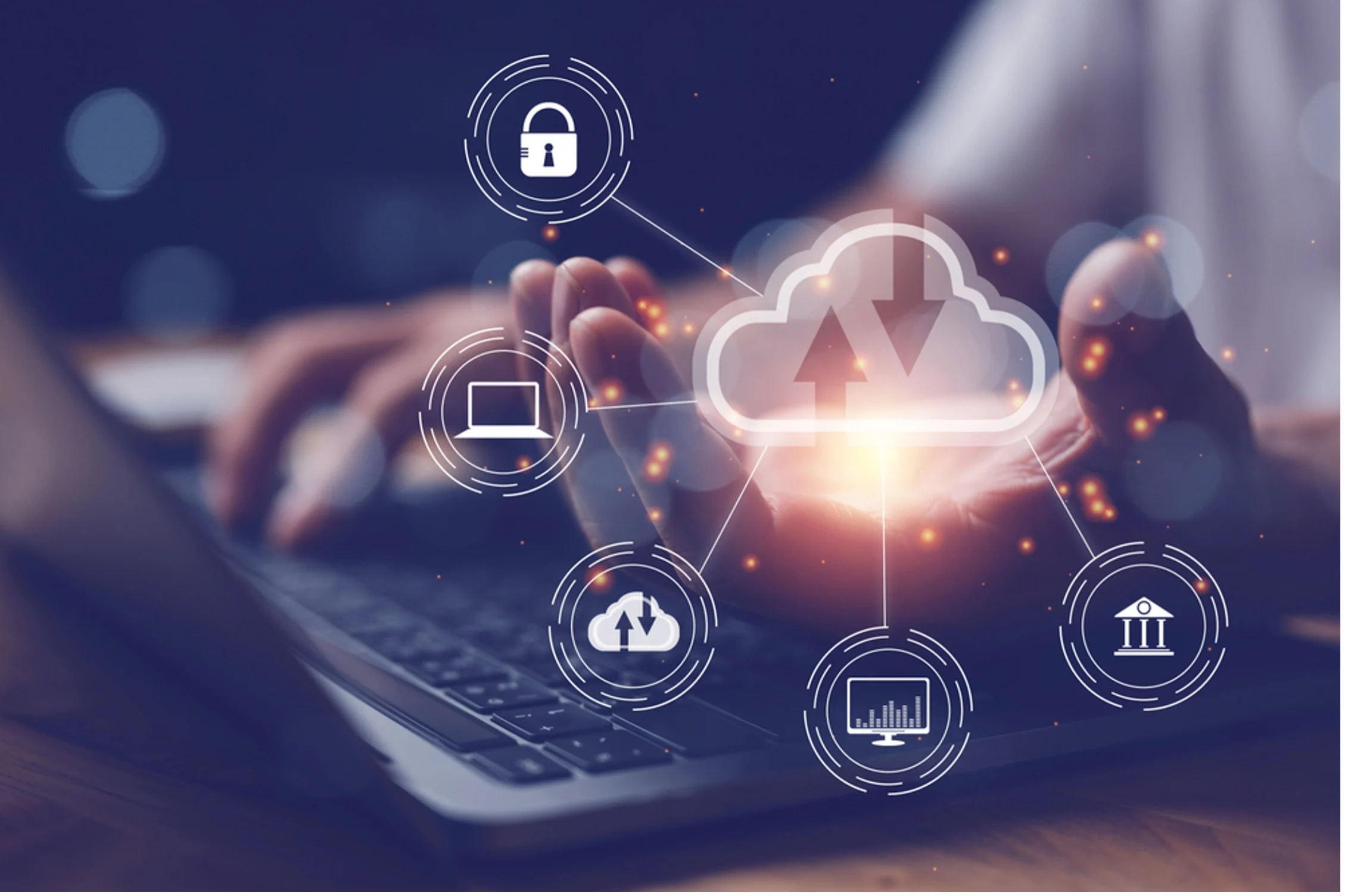
Expanded attack surface
Cloud solutions inherently increase the attack surface. Data is transmitted over the internet, exposed to potential interception, misconfiguration, or compromise of third-party infrastructure. Even if the provider follows best practices, the organization remains dependent on external security controls it does not fully manage.
Limited visibility and control
With cloud-based tools, system logs, access policies, and security configurations are typically managed by the vendor. This can make it difficult for internal security teams to perform deep inspections, enforce custom security policies, or respond quickly to incidents.
Why Local Monitoring Is Gaining Traction
Local (on-premise) employee monitoring systems are deployed entirely within the organization’s own infrastructure. This model aligns well with enterprises that prioritize strict security governance and internal control.
Full ownership of data
All collected data remains within the company’s network, databases, and backup systems. This eliminates uncertainty around third-party data handling and simplifies compliance with internal data retention and deletion policies.
Alignment with internal security policies
Many enterprises already operate under mature internal security frameworks. On-premise monitoring tools can be integrated into existing identity management, logging, SIEM, and network security systems, ensuring consistency across the organization’s security architecture.
Audit readiness and compliance
Organizations subject to regular internal or external audits benefit from local solutions because evidence collection is straightforward. Access logs, configuration files, and monitoring data are readily available without requiring cooperation from a cloud provider. This improves transparency and reduces audit friction.
DeskGate as a Local Monitoring Alternative
In this context, tools designed specifically for local deployment are increasingly relevant. DeskGate is positioned as an enterprise-focused solution that supports on-premise employee monitoring without relying on external cloud services. By operating entirely within the organization’s infrastructure, it allows enterprises to maintain control over data flows, user access, and system configuration while still gaining visibility into employee activity.
Security, Privacy, and Organizational Trust
Another important factor influencing this shift is employee trust. Transparent, well-governed local monitoring systems make it easier for organizations to clearly define what is monitored, how data is protected, and who has access. This clarity supports internal policies, works councils, and legal requirements related to workplace privacy.
Cloud-based tools often make these discussions more complex, as data processing happens outside the organization’s direct control.
Conclusion
The move from cloud-based to local employee monitoring is not a rejection of modern technology, but a strategic decision driven by security, compliance, and governance requirements. For enterprises with established internal IT and security teams, on-premise solutions offer greater control, clearer auditability, and reduced dependency on third-party infrastructure. As regulatory pressure and security expectations continue to rise, local monitoring models are likely to remain a strong option for organizations that value autonomy and risk management over convenience.

Laptopy i komputery stacjonarne to nieodłączne narzędzia naszej codzienności – służą do pracy, nauki, rozrywki i komunikacji. Niestety, intensywne użytkowanie Czytaj dalej

Wykończenie wnętrz to jeden z kluczowych etapów tworzenia przestrzeni, która nie tylko spełnia swoje funkcje użytkowe, ale również odzwierciedla charakter Czytaj dalej