Scar Tissue Artistry: Designing Adaptive Scripts with a Tattoo Font Generator for Medical Cover-ups


Tattoos have long been used as a medium for storytelling, but one of their most profound modern applications is in the realm of medical cover-ups. For many individuals, scars from surgery, accidents, or stretch marks are daily reminders of past trauma or significant life changes. Transforming these marks into pieces of art is a deeply healing process. However, tattooing over scar tissue is technically demanding. The texture of scarred skin is often uneven, less absorbent of ink, and prone to „migration.” To successfully navigate these physical hurdles, choosing the right typography is essential. By utilizing a specialized tattoo font generator, users and artists can design adaptive, organic scripts that work with the body’s unique topography rather than against it.
The Challenge of the „Uneven Canvas”
When designing a tattoo for healthy skin, the primary concern is usually aesthetic. When designing for scar tissue or stretch marks, the primary concern is structural. Scars are composed of fibrous tissue that differs significantly from the surrounding skin. It can be raised (hypertrophic), sunken (atrophic), or possess a „shiny” texture that reflects light differently.
A rigid, geometric font with perfect straight lines—like a classic sans-serif—is often a poor choice for cover-ups. Any slight bump in the scar tissue will cause a straight line to look crooked or broken. This is a major pain point for clients who want a clean look but are limited by their skin’s texture. The solution lies in „Organic Adaptation.” Using a tattoo font generator allows users to browse scripts that mimic the natural flow of water, vines, or smoke—forms that naturally hide irregularities within their own curves.
Selecting „Organic” Scripts for Seamless Masking
The goal of a medical cover-up isn’t always to hide the scar completely, but to integrate it into a design so that the eye follows the art rather than the blemish. Scripts that feature „variable line weights” and „fluid flourishes” are the most effective.
For example, a script inspired by botanical illustrations—where letters sprout like leaves or stems—can easily „absorb” a surgical line or a stretch mark into its silhouette. By testing these styles in a tattoo font generator, you can find a weight that provides enough coverage without looking like a heavy, solid block of ink. The „Digital-to-Dermal” preview helps users see how a fluid script can dance across a textured surface, turning a point of self-consciousness into a focal point of beauty.
5 Essential Insights for Medical Tattooing Audiences
-
Healing Time and Ink Retention: Why scars must be at least one to two years old before tattooing.
-
Color Theory for Scars: Why high-contrast black and grey scripts often outperform color on fibrous tissue.
-
The Psychology of Cover-ups: How reclaiming one’s body through ink aids in emotional recovery.
-
Minimizing Pain: Understanding nerve sensitivity in surgical areas and choosing simpler font structures.
-
Technical Pre-Visualization: The role of AI in mapping complex text over 3D skin irregularities.
Leveraging AI for Stylistic Adaptability
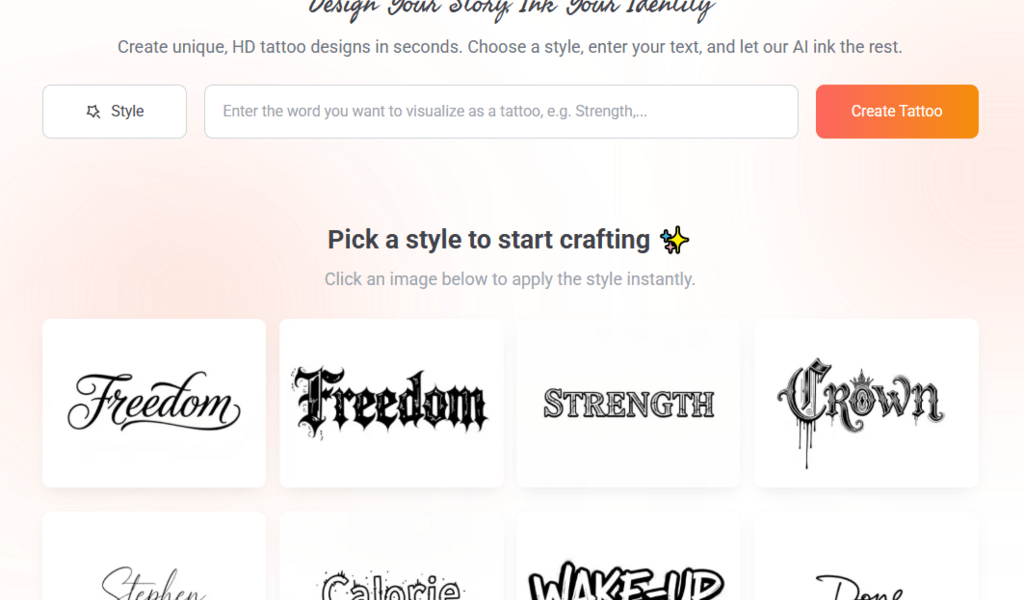
Modern AI tools are revolutionizing how we plan medical tattoos. A high-quality tattoo font generator provides more than just a list of styles; it offers a workspace where text can be manipulated to match the „flow” of a specific scar.
If a scar runs horizontally across the abdomen, a script with long, sweeping „descenders” (the tails on letters like y, g, and p) can be used to break up the linear visual of the scar. The generator allows you to adjust the „slant” and „kerning” of the letters until the rhythm of the words matches the rhythm of the body. This level of customization is crucial for E-E-A-T (Experience, Expertise, Authoritativeness, and Trustworthiness) in the tattoo design space. It shows that the design process respects the medical reality of the skin while prioritizing the user’s aesthetic vision.
The Art of Camouflage: Texture and Flow
When tattooing over stretch marks, the skin is often thinner and more prone to „blowouts” (where ink spreads too deep into the skin). To prevent this, the font needs to be „breathable.”
The „River Flow” Technique
Instead of choosing a dense, blocky font that requires heavy saturation, look for „skeletal” scripts. These are fonts where the beauty lies in the stroke itself rather than the fill. In a tattoo font generator, search for categories like „Fine Line Cursive” or „Abstract Calligraphy.” These styles allow the natural skin to peek through between the ink, which makes any texture differences between the scar and the healthy skin less noticeable. This creates a „distraction” effect—the eye is so busy following the elegant flow of the letters that the underlying texture becomes invisible.
Professional Standards for Cover-up Typography
For digital marketers and content creators in the wellness and tattoo sectors, providing authoritative advice on medical cover-ups builds significant trust. Here are the core technical standards for choosing a „cover-up” font:
-
Avoid Rigid Geometry: No perfect circles or straight vertical bars. These highlight skin bumps.
-
Embrace Asymmetry: Fonts that have a „hand-drawn” or „imperfect” feel are much more forgiving over surgical lines.
-
Prioritize Legibility: Since the ink might spread slightly more on scar tissue, choose a font with wide „loops” (the holes in 'b’ or 'd’) to prevent them from filling in over time.
-
Scale for the Area: A font that is too small will get lost in the texture of a scar. Use the generator to find the „sweet spot” where the letter size is large enough to maintain its shape but small enough to fit the anatomy.
Reclaiming the Narrative: From Scar to Script
A medical cover-up is more than just a tattoo; it is a reclamation of the body. Whether it is a word of strength like „Resilient” or a line of poetry that provided comfort during recovery, the typography must match the gravity of the intent.
Using a tattoo font generator allows the individual to spend time with the words before they become permanent. They can see how the word „Strength” looks in a bold, rooted font versus a light, ethereal one. For someone covering a mastectomy scar or a C-section line, this design phase is a vital part of the healing journey. It allows them to transition from a „patient” mindset to a „creator” mindset.
Conclusion: Engineering Beauty on Complex Canvases
Tattooing over scars is an art form that requires both compassion and technical precision. It is about acknowledging the history of the skin while painting a new future over it. By moving away from standard, rigid typography and embracing organic, adaptive scripts, we can create tattoos that are not just cover-ups, but true masterpieces of medical artistry.
The role of a tattoo font generator in this process cannot be overstated. It provides the sandbox where logic and emotion meet. It allows for the experimentation necessary to find a font that is durable enough for scar tissue but delicate enough for the soul. If you are planning to transform a mark of trauma into a mark of triumph, start with the right tools. Invest time in the design, respect the unique texture of your skin, and use modern technology to ensure that your message remains as clear and beautiful as the spirit behind it. In the hands of a skilled artist and a well-informed client, even the deepest scars can become the perfect foundation for a lifelong poem.

WordPress to najpopularniejszy system zarządzania treścią na świecie, używany przez miliony stron internetowych. Jego popularność sprawia jednak, że jest on Czytaj dalej

Świat legalizacji dokumentów i usług wizowych od lat kojarzył się z papierologią, tonami skanów i niekończącymi się kolejkami w konsulatach. Rewolucja przyszła wraz z premierą Czytaj dalej