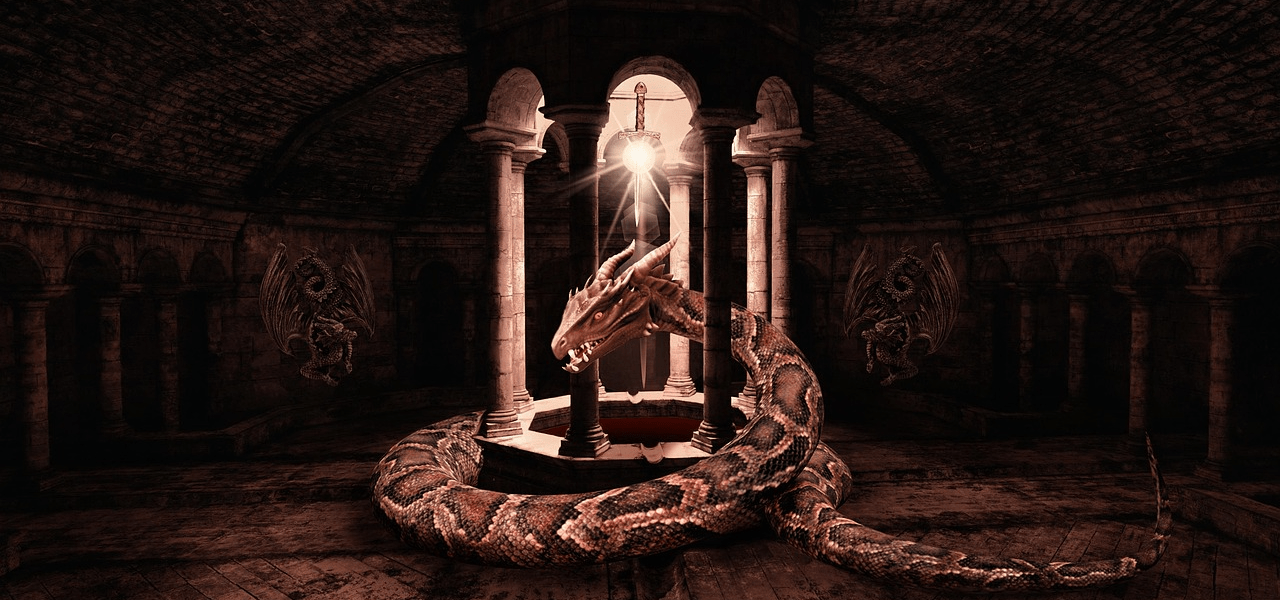

Learning Unreal Engine gets easier once the engine stops looking like a giant control panel and starts feeling like a game table. A good dungeon master does not begin with dice math or monster stats alone. The real job starts earlier, with rules, mood, timing, and a clear sense of what players are meant to feel when they step into a place.
That is why, for people exploring Unreal Engine courses, the smartest first step is to think like a world builder. Unreal is not just there to make things look polished. It helps shape how a space behaves, how a player moves through it, and how a story appears without stopping the action for a speech bubble every five minutes.
Every Good World Starts With Ground Rules
A dungeon master knows that fantasy only works when the world makes sense. The castle can float, the forest can whisper, and the floor can collapse into a lava cave, but the player still needs to understand the logic behind it. Unreal Engine rewards the same habit. Before lighting, effects, or dramatic camera work, a scene needs rules.
That means deciding what kind of place this is, what the player can do there, and what the space is trying to teach. A ruined chapel should not feel like a bright training room. A thief’s alley should not move like a royal hallway. When beginners miss that step, levels may look impressive in screenshots but feel flat in motion.
A dungeon master usually sets a few basics before session one:
-
What can happen in this world?
-
What can the player touch, open, move, or trigger?
-
What mood should the space carry from the first second?
-
What small clue tells the player how to behave here?
That is also why interactive storytelling matters so much in engine work. The player is not reading a setting guide. The player is learning by walking, trying, failing, and noticing patterns. Therefore, the best early lessons in Unreal teach structure before decoration.
This is where solid Unreal Engine training makes a real difference. A beginner who learns to set rules first will build better scenes faster, because every later choice has a purpose.
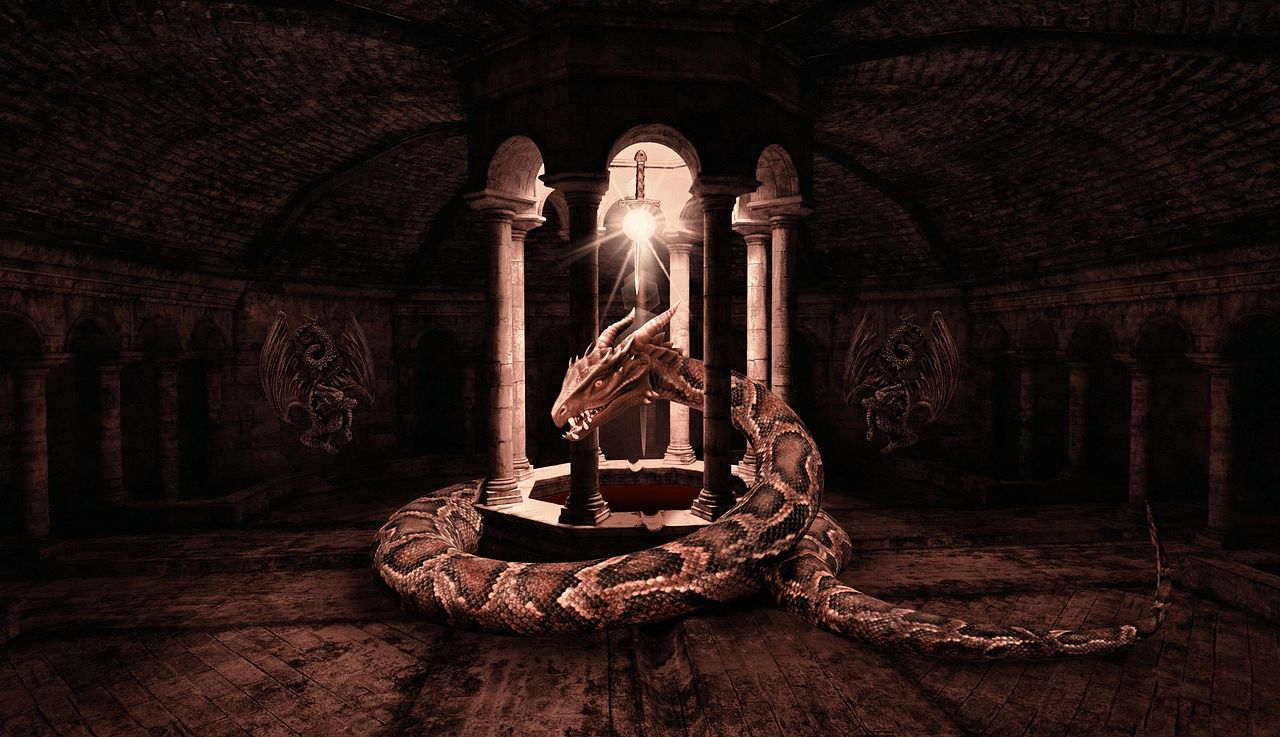
Players Remember the Feeling First
Once the rules are in place, mood starts doing heavy lifting. Tabletop players remember the damp tunnel, the strange bell in the distance, and the room with candles that were already burning before anyone arrived. In Unreal, atmosphere works the same way. It turns geometry into a place with a pulse.
Lighting helps, of course, but atmosphere is wider than lighting. It includes spacing, sound, color, shadows, props, and even silence. A long empty corridor can build more tension than a busy room full of visual noise. A soft flicker on the wall can suggest danger better than a giant warning sign. However, none of that works when every corner tries to be equally dramatic.
Fantasy and adventure games depend on imaginary worlds that feel stable enough to invite curiosity. Players start believing in a place when it has a mood that stays true to itself. That is why scene building in Unreal is really a lesson in restraint. A room needs a point of view, not just assets dropped into a grid.
Teams like N-iX Games understand that appeal because strong environments are rarely built from random visual tricks. They come from a clear read of tone. If the scene says „haunted,” „ancient,” „playful,” „sacred,” or „hostile,” every object should help carry that meaning.
A Good Level Knows When to Speed Up and Slow Down
A dungeon master also knows that even the best setting fails when the rhythm is wrong. If every room contains a fight, the session gets dull. If nothing happens for too long, attention slips. Unreal Engine teaches pacing in a very physical way because movement through space is part of the story.
A good level has breath. It tightens, then eases. It gives the player something to notice, then something to test. It creates a question, then delays the answer just enough to build interest. Therefore, pacing is not only a writing issue. It is a level design issue, a camera issue, and a timing issue.
There are also useful storytelling lessons in tabletop design for exactly this reason. A dungeon master builds tension by choosing what to reveal, when to reveal it, and how much room to give the players between beats. Unreal scenes work best when they respect that same rhythm. Later on, an Unreal Engine course can help turn that instinct into repeatable skill. But the idea itself is simple: maps become stories when timing guides attention.
The Room Should Never Feel Like a Backdrop
Unreal becomes really interesting when the world reacts. A door groans open after a puzzle. A bridge falls after one wrong step. A beam of light points toward a hidden path. These are small moments, but they change the player from visitor to participant.
That is the part many beginners underestimate. In tabletop play, the dungeon master adjusts to the party in real time. Digital spaces cannot improvise in the same human way, so the scene has to carry some of that work in advance. Clues, triggers, objects, and visual hints need to be placed with care. Otherwise, the world feels beautiful but dead.
This is where N-iX Games and similar teams stand out in training-focused work. The goal is not to flood learners with every possible feature. The goal is to teach how one action leads to one reaction, and how that exchange builds trust between player and world. Good interaction feels fair. It may be surprising, but it should never feel random.
That is also why Unreal Engine training courses are most useful when they center on making small playable moments, not just pretty scenes. The player should leave with a memory, not just a screenshot.
Why the Dungeon Master Approach Fits Unreal So Well
Thinking like a dungeon master gives Unreal Engine a clear shape. First come the rules. Then comes the mood. After that, pacing and interaction turn space into story. In the end, the engine becomes easier to learn because every tool serves a purpose inside the world. That is a better way to start than chasing effects with no reason behind them. For beginners, the most valuable lesson is simple: build places that behave like stories, and the rest of the work starts making sense.

Kiedy potrzebujesz tłumaczenia oficjalnych dokumentów, naturalne jest, że zależy Ci na najwyższej jakości obsługi — w końcu usługi tłumaczeniowe mają Czytaj dalej
Domki Drewniane na Działkę: Praktyczne Rozwiązania dla Działkowiczów Domki drewniane na działkę to nie tylko praktyczne rozwiązanie, ale również wyraz Czytaj dalej